EKGs

EKGs

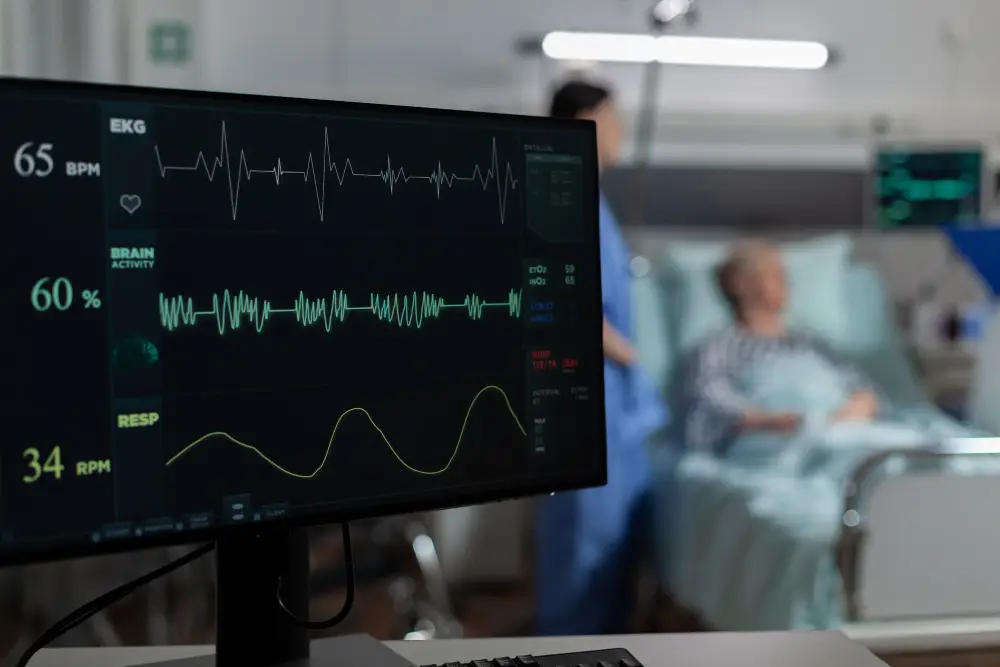
An electrocardiogram (EKG) is a quick, non-invasive test that records the electrical activity of your heart. It can provide valuable information about your heart rate and rhythm and help your healthcare provider evaluate certain heart-related symptoms or concerns.

Frequently Asked Questions

What is an EKG?

An EKG, also called an electrocardiogram, records the electrical signals produced by your heart. It can show your heart rate, rhythm, and certain changes in the heart’s electrical activity.

The test is commonly used as part of an evaluation when a patient has symptoms or a medical condition that may affect the heart.

Is an EKG painful?

An EKG is generally a quick and non-invasive test. Small adhesive electrodes are placed on the skin of your chest and sometimes your arms and legs to record your heart’s electrical activity.

You simply need to remain still while the recording is made. The test itself does not send electricity into your body.

Why might I need an EKG?

Your provider may recommend an EKG to evaluate symptoms such as chest discomfort, shortness of breath, dizziness, fainting, or an irregular heartbeat. It may also be used as part of a routine health evaluation when appropriate.

The results can provide your provider with useful information about your heart and help determine whether additional evaluation or testing may be needed.

How long does an EKG take?

An EKG typically takes only a few minutes to perform, although the complete appointment may take longer depending on your evaluation and medical needs.

Once the recording is complete, your provider can review the results and determine whether further testing or treatment is appropriate.